14.04.2026 19:00
The Classics of Love
Sold out!Szeged, Szegedi Nemzeti Színház
Tisza Season Ticket - Szeged
Season tickets


Tickets and season passes are available at the Filharmonia Hungary office in Szeged (6720 Szeged, Klauzál Square 7), at Ticket Express offices, and online at www.jegymester.hu.
Ticket discounts:
We offer a 10% discount for students and pensioners.
Filharmonia Hungary season ticket holders can purchase tickets with a 20% discount by showing their season tickets! The discount can be applied to one ticket per concert per subscription.
Individual discounts cannot be combined!
We reserve the right to change the programmes, dates, venues, and performances, and ticket prices may change accordingly.


Purchase a new subscription by November 10, 2026, valid until the first concert. Winners will be notified by email.
Subscriptions can be purchased at the Filharmonia Hungary office in Szeged (Klauzál Sq. 7, Szeged; +36 62 425 260; szeged@filharmonia.hu), at Ticket Express box offices, as well as online at www.jegymester.hu.
Subscribers of Filharmonia Hungary’s Tisza and Organ series are entitled to a 20% discount on tickets for concerts organized by Filharmonia Hungary in any city across the country. The discount applies to one ticket per subscription, per concert.
We reserve the right to change the programmes, dates, venues, and performances, and ticket prices may change accordingly.
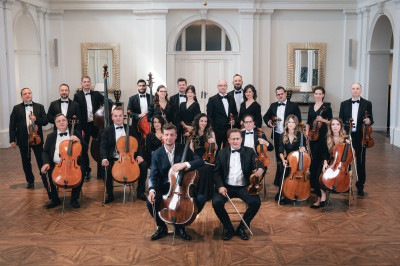
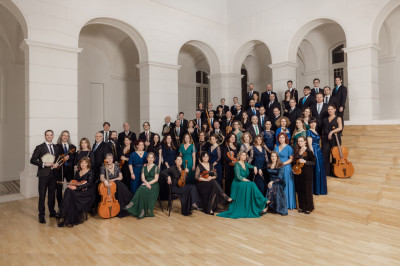
Love, Bohemian Spirit, and Music!
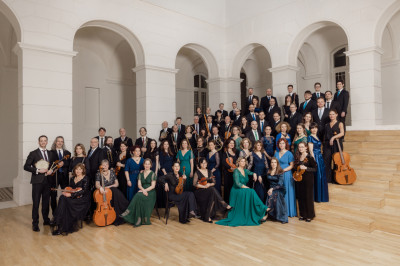
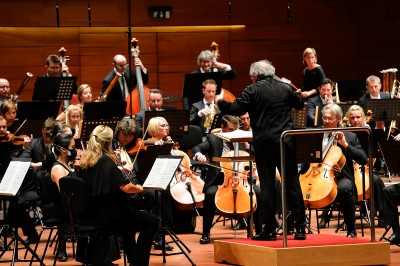
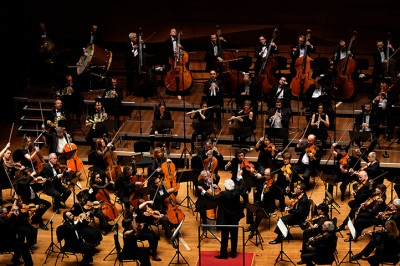
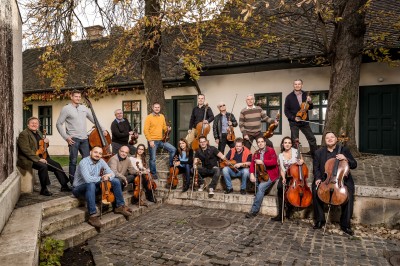
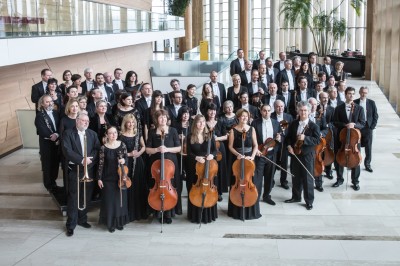
Ever since humanity began singing, most songs with lyrics have been about love. In fact, when we look closer, as long as the music isn’t sacred, love is almost always present in some form or another in songs – even if often in a metaphorical sense. But how is love expressed in instrumental music? If not through words, then how? And why do we all agree that certain melodies and sounds clearly relate to love? These questions are explored in the concert by the Danubia Orchestra, where the instruments themselves fall in love. Mozart’s overture presents love more from the perspective of intrigue–after all, in the opera that follows, two men playfully test their lovers’ fidelity. Liszt’s Liebesträume (“Dreams of Love”) was originally a song but became famous as a piano piece, and many recognize the passionate, storm-defying love in the music. The story of Romeo and Juliet has inspired many composers. Tchaikovsky wrote a symphonic work that transforms this tale into an action film on our imaginary movie screen. The overture to Ruslan and Ludmila proclaims the triumph of fulfilled love. Shostakovich’s waltz is at once classical music, jazz, and a pop hit, infused with a touch of melancholy and longing for someone or something. The Love Story themes by Francis Lai and Henry Mancini are even more melancholic and lead us directly into the work of Rezső Ott, who, in a single composition, summarized the history of love songs and romantic tunes.